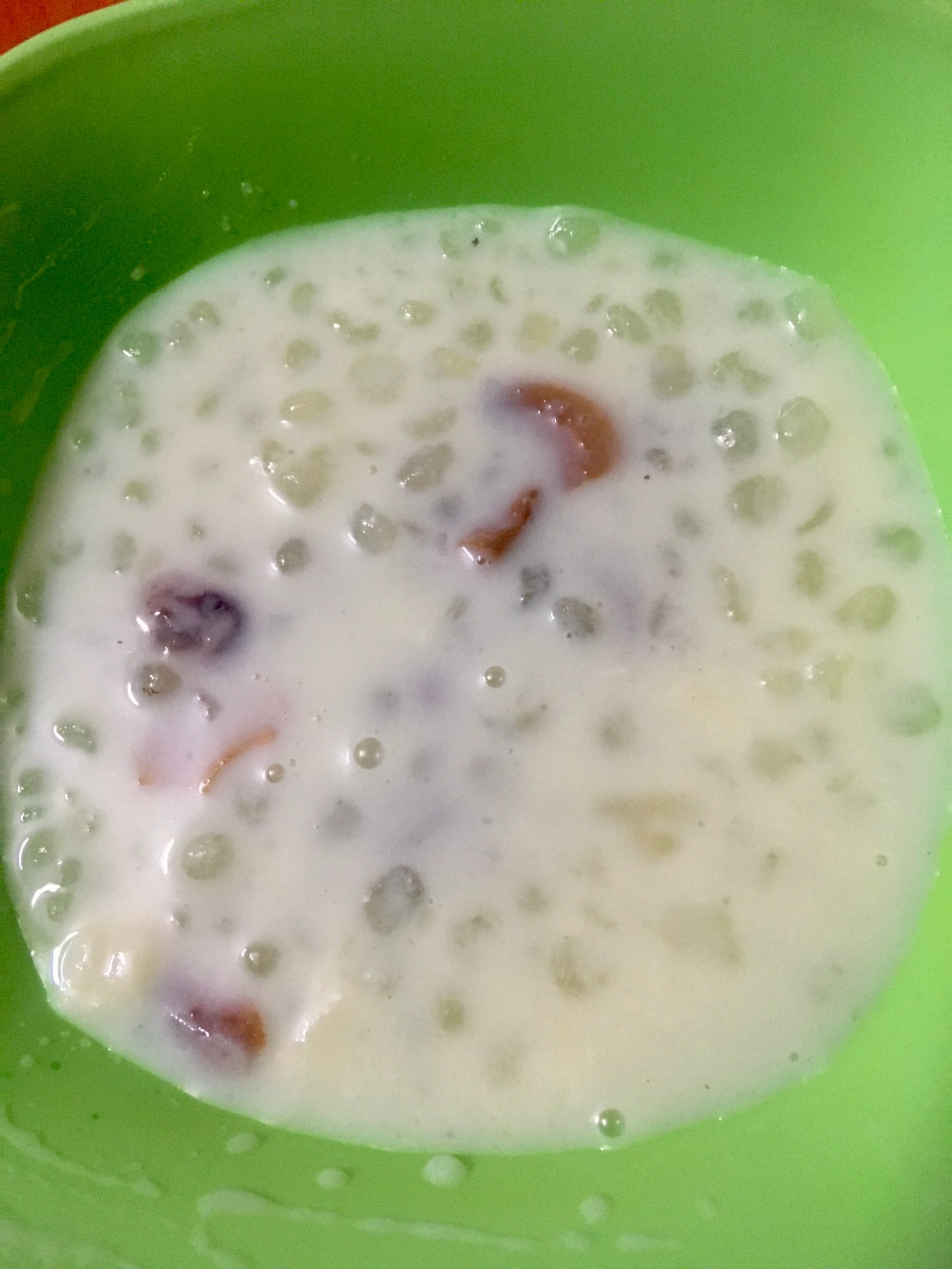
I had this Sabudana or Sago pearls at my place. I was thinking of preparing this sweet for a long time. Sago are starchy to work with, so I was little hesitant. But, it will be like small jelly balls when cooked in water. I found this perfect recipe online and made my own version.
Sabudana refers to the starch that is extracted from tapioca roots, which is then processed to form spherical pearls that may vary in size. The pearls are produced by passing the moist starch through a sieve under pressure, and then dried. It contains a decent amount of potassium that helps to keep your Blood pressure in check. It promotes healthy blood flow and lowers the strain in your heart. Helps fight birth defects. Sabudana is a rich source of vitamin b6 and folate. (Source: Google)
Don’t forget to check my tips after the recipe. Lets get cooking!!!
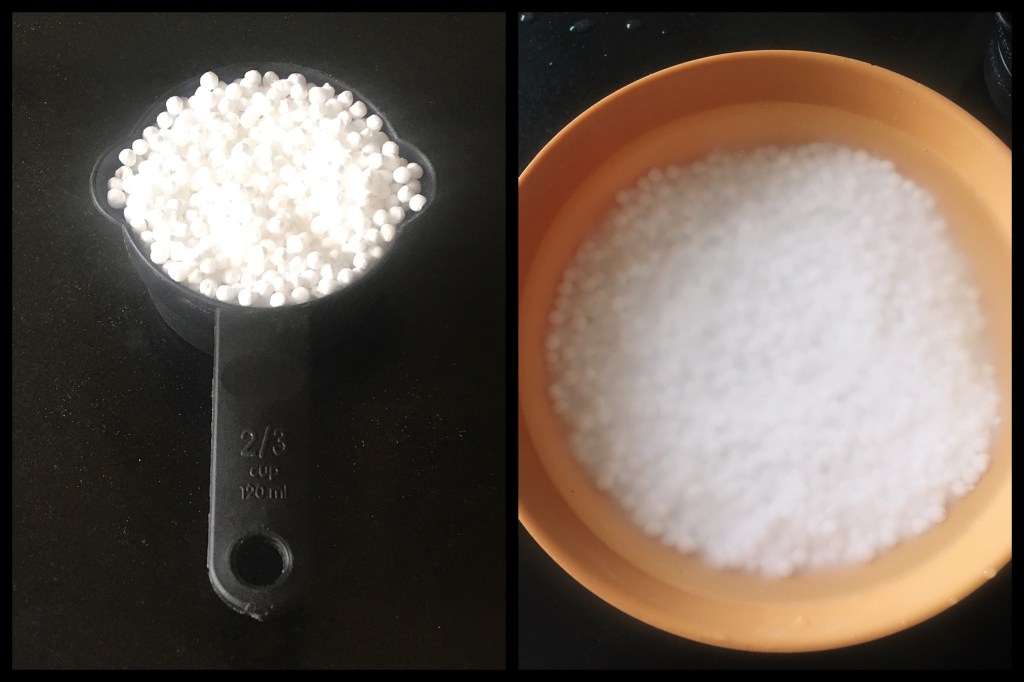
Cup Measurement: 240 ml cup
INGREDIANTS:
Sabudana or Sago pearls – 2/3 Cup
Water – 1 3/4 Cups
Sugar – 1 Cup
Milk – 1 litre
Ghee or clarified butter – 1 tablespoon
Cashews and Raisins (Your choice of nuts)
Cardamom powder – 1 teaspoon
PREPARATION:
Take Sago pearls and wash it thoroughly. Soak it in water for about 45 to 60 minutes. We will be using the same water to cook it, so use drinking water for soaking. The sago must become soft before its cooked.
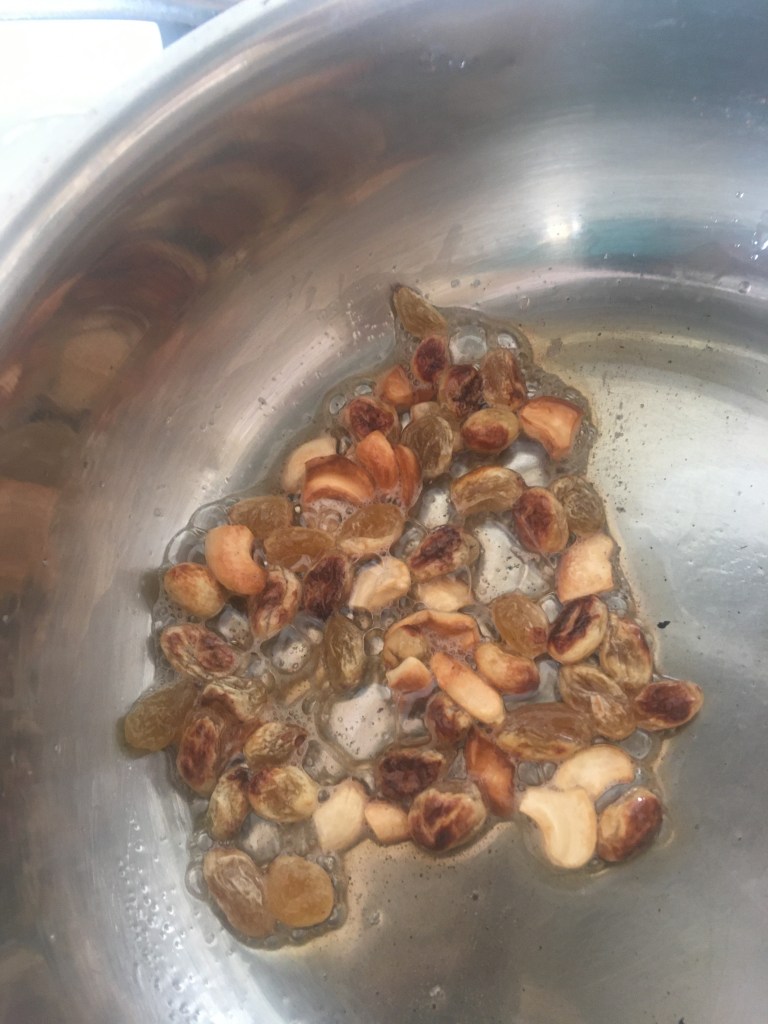
Meanwhile, take a pan and fry some cashews and raisins with ghee and keep aside for later.
In the same pan, take the soaked sago with water and cook until they turn transparent. It takes about 15 to 20 mins. Keep stirring the starchy mixture, so that it doesn’t stick to the bottom of the pan and burn.
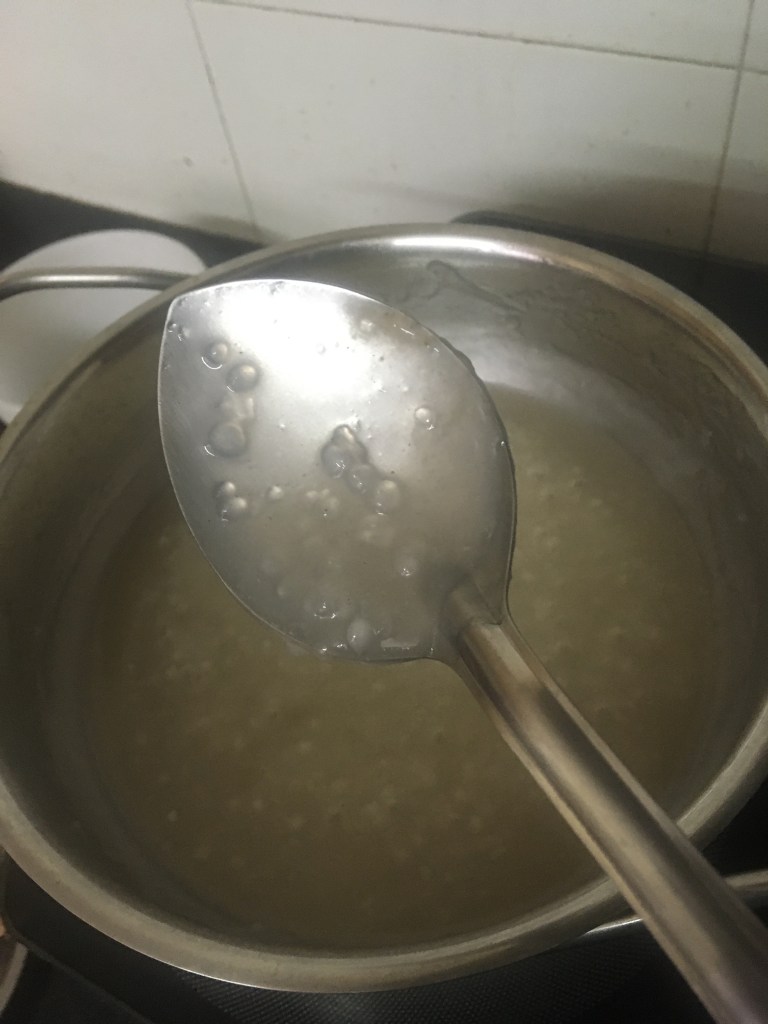
Once cooked, add milk and bring it to boil. And then simmer it and allow to thicken. Keep stirring occasionally. Let it simmer for at least 10 to 15 minutes further. Then add sugar and dissolve in it. Let to boil for 5 more minutes. Then add cashews, raisins and cardamom powder to it.
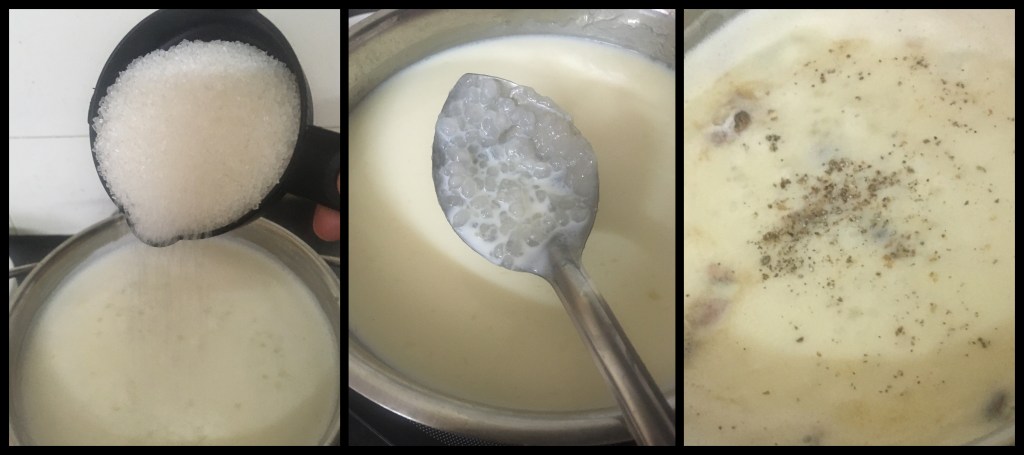
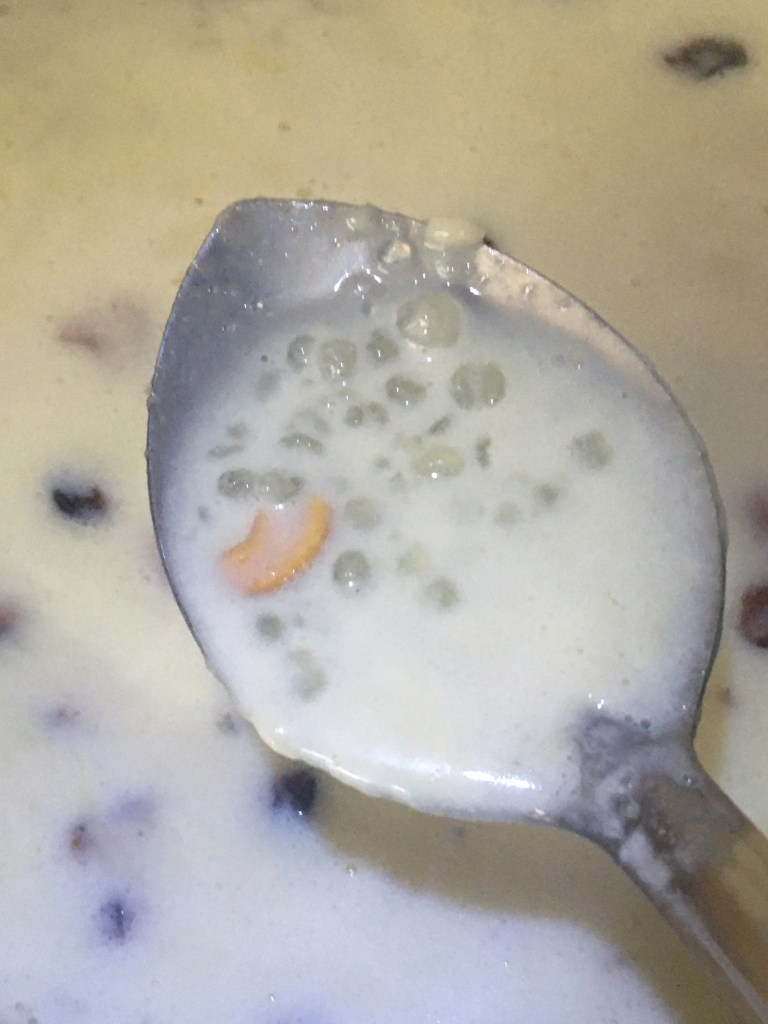
Bring it to boil and switch off the heat. You can serve this hot or cold.
TIPS:
- Soaking Sago will reduce the cooking time. The time of soaking the sago differs according to the quality of it.
- The soaked water of Sago has starch in it, so I prefer not to throw it away.
- Stirring the sago while its cooking is a important step to avoid sticking to the bottom.
- At the end, the mixture will thicken once it cools down. So don’t worry if you feel like there is excess milk in the porridge.
- You can increase or decrease the sugar level as per your sweetness level.
Remember, the key is to taste the dish at every stage and experiment with it. Let me know in the comments below about your experiment with this recipe.
Please do like and share this recipe. Happy Cooking!!!
 My Little Cooking Experiments